Articles Library
Filter by Pillar (select to filter articles)
Search


Gratitude is a common theme in sport. Athletes are encouraged to be thankful for opportunities,…
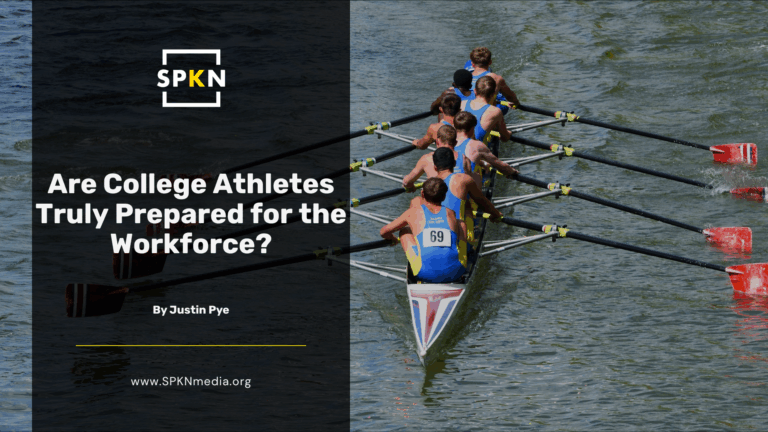
College athletics remains a defining experience for thousands of student-athletes across the United States every…

Technology in sport is often associated with heart-rate monitors, GPS trackers, and video review. However,…

Parents want the best for their kids. Many are told that choosing one sport early…

For years, parents have been told a familiar story — if you want your child…

Understanding athletic identity—as both a coach and a player—is crucial to developing a comprehensive understanding…

Fostering an environment where leadership is at the forefront of a coach’s priorities is essential…

In sport, leadership is often assessed through visible outcomes, victories, rankings, or championship titles. Yet,…

The Role of SPKN in Advancing Coaching Education As the landscape of youth sports evolves,…
The increased emphasis on success and competitive achievement in youth sports has changed how athletes…
Inexperienced coaching in youth sports can have significant, long-lasting effects on young athletes. These consequences…
Welcome to “A Spark of Optimism,” where we explore topics reshaping our workplaces and practices.…
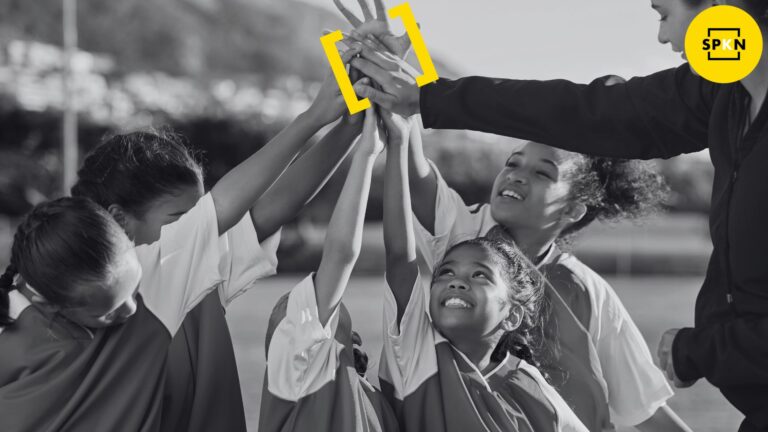
Creating a positive team environment is foundational for any sports team’s success. A well-rounded, supportive…
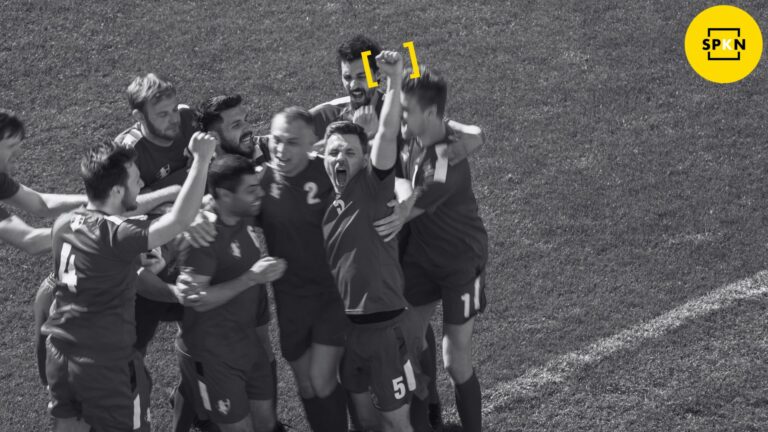
The mental health of athletes is a critical focus for modern sport organizations. However, fostering…
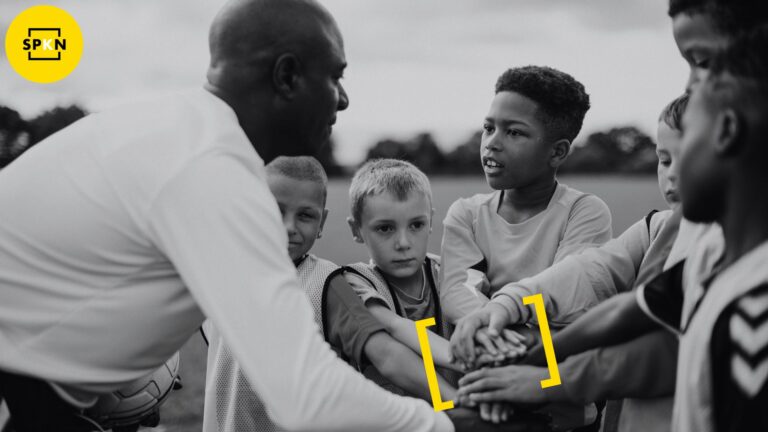
In the dynamic world of sports, cultural competence is becoming an essential skill for coaches who work with diverse teams. Understanding and integrating athletes' varied cultural backgrounds into coaching methods fosters inclusivity and enhances team communication and performance. This article explores strategies for sport coaches to develop cultural competence and create a more cohesive and successful team environment.

Welcome to the Monthly Research Round Up! The goal of this round up is to…

We all talk a good game when pointing out the pivotal role sport leaders play in shaping the WHOLE athlete; however, ineffective coaching can lead to detrimental outcomes, affecting athletes' performance, motivation, and overall well-being. This article delves into the effects of poor coaching, drawing from research studies and practical insights. It also provides recommendations on how we as coaches can move away from "old school" coaching habits that lack merit and perhaps no longer reach the digital native athletes that now inhabit our fields and courts.

All too often, we, as coaches, believe we have given crystal clear directions. Why, then, are my players not able to follow through? It turns out that giving clear directions is not only an essential part of the coach-athlete relationship but a vital element of athlete development.
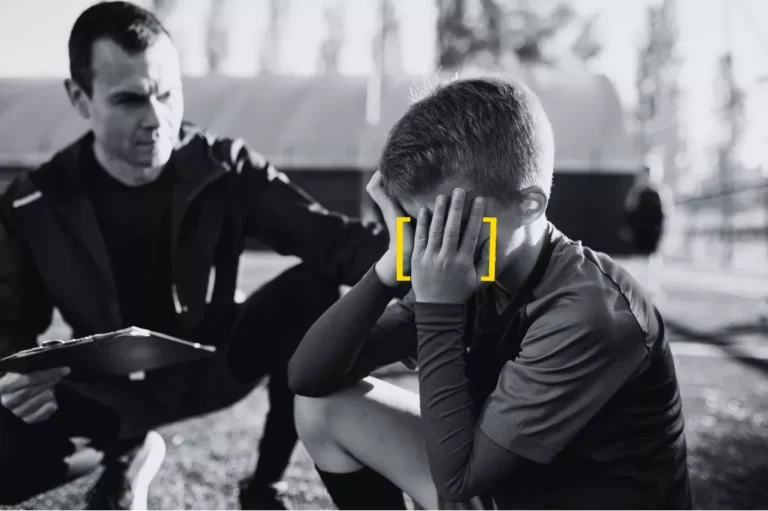
Mark Uyl has been watching, coaching or refereeing Michigan high school sports for three decades. The hundreds of games he has seen, especially when they are played indoors where the spectators are close and the sound is magnified, have revealed at least one “absolute truth,” he says.
“That coach who is ranting and raving up and down the sideline, gesturing and emotionally reacting to calls and non- calls,” Uyl, the executive director of the Michigan High School Athletic Association, tells USA TODAY Sports, “I can tell you 100 percent of the time, that tends to inflame that school’s fan base. “The way that coaches act,” he says, “has a direct correlation for how their spectators act.”