
Watch

All our research is curated and peer-reviewed giving you access to an unmatched library of information all in one place.
Articles
Great Coaches Design Environments
Leadership in sport is often framed as a matter of behavior management. Coaches motivate, correct, and hold athletes accountable through feedback and instruction. While these actions matter, positive psychology points to a quieter foundation of leadership, the designing of environments that make high-quality behavior more likely to emerge without constant intervention. Rather than asking how…
Building a Grateful Team Culture
How Coaches Can Make Appreciation Reciprocal In sport settings, gratitude is most powerful when it reflects a supportive culture, not just individual attitude. Research with adolescent athletes has shown that: Gratitude is linked to stronger team cohesion, which in turn supports higher life satisfaction. A grateful team culture, where appreciation is a shared norm, predicts…
Gratitude and Power
Gratitude is a common theme in sport. Athletes are encouraged to be thankful for opportunities, for their teammates, and for the chance to compete. Coaches talk about perspective and appreciation as hallmarks of maturity. But gratitude can get complicated in team environments where hierarchies shape who gives and who receives it. When gratitude primarily travels…
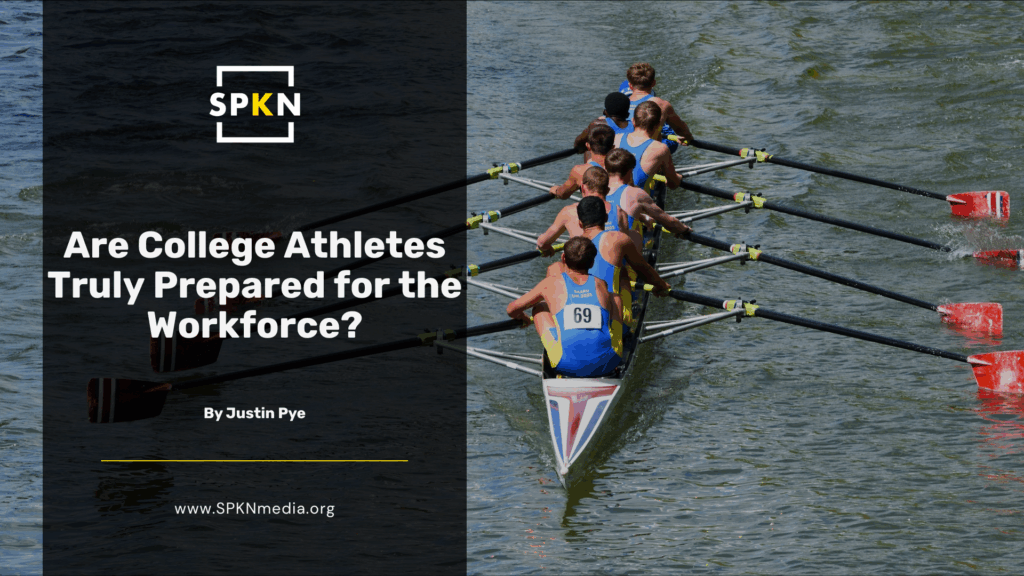
Life After Sports: Are College Athletes Truly Prepared for the Workforce?
College athletics remains a defining experience for thousands of student-athletes across the United States every year. These young men and women invest immense time, energy, and identity into their sports. The reality is that only about 2% will continue into professional athletics (NCAA, 2025). For the overwhelming majority, the conclusion of their collegiate career signals…
All our research is curated and peer-reviewed giving you access to an unmatched library of information all in one place.
Latest Research
The effectiveness of decision-making training in team-sport officials: A systematic review and meta-analysis
Sports officials must make accurate, fast, and fair decisions under pressure—skills that are challenging to develop given the lack of structured training environments. This systematic review and meta-analysis synthesized findings from 14 studies (9 included in the meta-analysis) to evaluate the effectiveness of decision-making training programs for team-sport officials across different sports, tools, durations, and…
What Is "Zone 2 Training"?: Experts' Viewpoint on Definition, Training Methods, and Expected Adaptations
“Zone 2 training” has become a popular topic among endurance athletes and coaches, often praised for its ability to induce a wide range of aerobic adaptations. However, definitions of Zone 2 vary, leading to confusion around how it should be implemented and what benefits to expect. This expert commentary, developed by 14 applied sport scientists…
Teamwork in team debriefings: Coaches’ communication patterns after wins and losses
This study examined how head coaches communicate during post-game team debriefings and whether win–loss outcomes shape the teamwork behaviors they emphasize. Using video- and audio-recorded debriefings from 18 elite basketball, volleyball, and soccer teams (seven coaches; 1007 minutes of footage), the authors analyzed coaches’ verbal behaviors through a new observational coding scheme based on the…
"I even called him coach at home”: A qualitative study on role conflict and coping in parent-coached elite athletes
This qualitative study examined how elite athletes experience having a parent as their coach, focusing on the emotional and relational consequences of overlapping family and coaching roles. Interviews were conducted with 11 elite athletes competing in taekwondo, judo, and karate (Mage = 26.8), all of whom had been coached by a parent for most of…
Enhancing Youth Leadership Through Sport and Physical Education
This article explores the role of sport leaders in promoting youth leadership and emphasizes the importance of mental health awareness and support in the development of young athletes.
Exploring the Perceived Barriers of Effective Communication Within the Coach–Athlete Relationship: A Sample of Scandinavian Coaches and Athletes
Coaching is a process that guides development and is shaped by sound relationships between athletes and coaches. Interpersonal communication represents a mechanism for developing functional relationships. However, not all interactions between coaches and athletes are optimal, and limited research has attempted to understand the factors that impede the ability to engage in effective communication. This…
All our research is curated and peer-reviewed giving you access to an unmatched library of information all in one place.