
This content is included in your SPKN Membership
Navigating Identity Loss
AUTHOR:
Ellie Casey
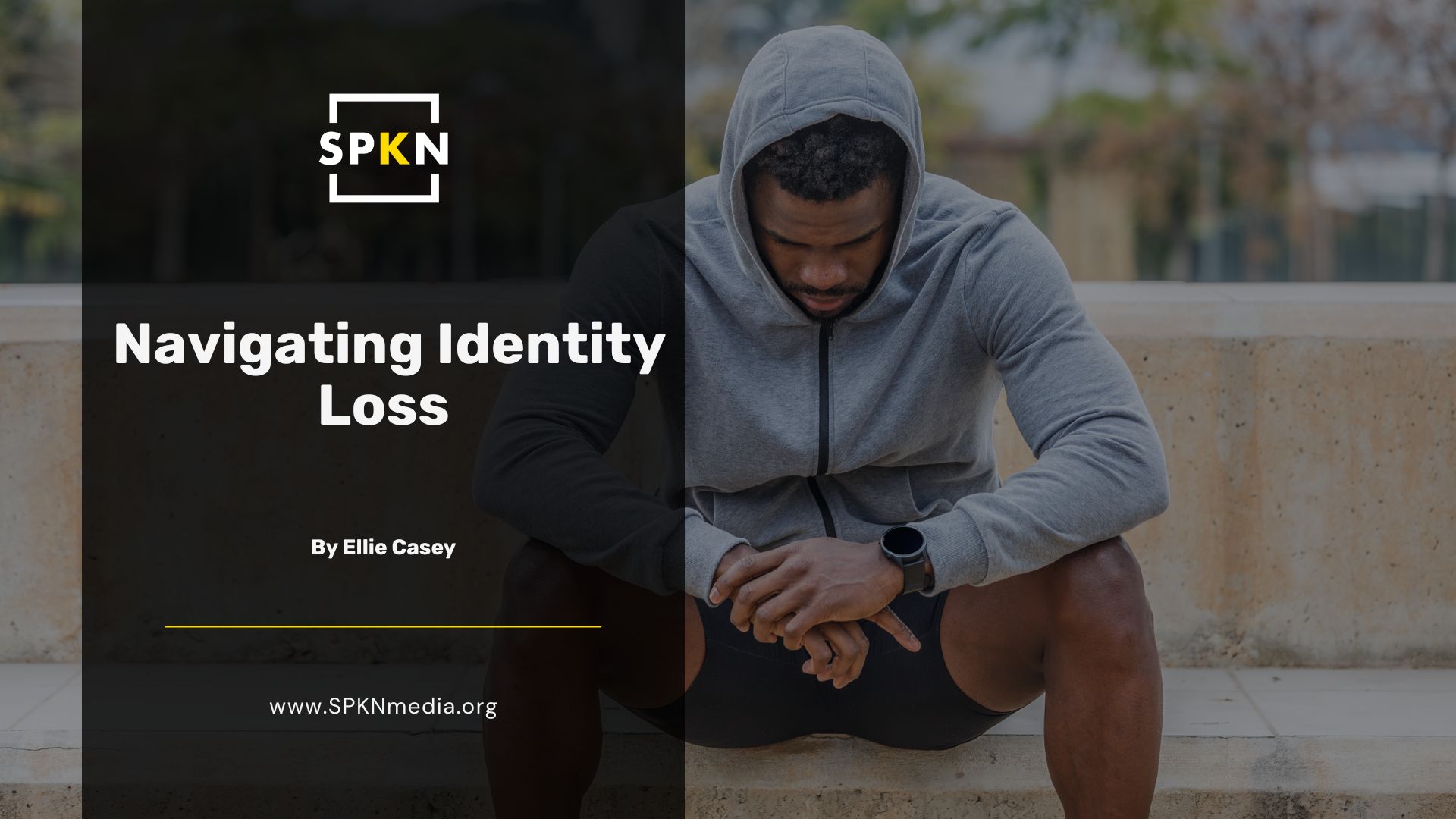
Growing up in an environment that was highly sports-focused, it was no wonder my identity was dependent on the sport I played. Throughout my long journey as a high-level soccer player, every situation, conversation, and emotional response shaped how I viewed myself – not just as an athlete, but as a person learning resilience, identity, and self-worth through the game’s highs and lows. Living with this identity until the age of 18 meant that soccer wasn’t just something I did – it was who I was, shaping my confidence, my routine, my relationships, and how I measured my value in the world.
This all changed when I entered my freshman year of college, where my hopes of playing collegiately were met with the harsh reality of a lost dream, forcing me to confront who I was without the sport that had always defined me. This was not an easy task, and to this day, three years later, it still challenges me in unexpected ways – reminding me how deeply rooted identity is and how healing and growth aren’t always linear.
According to the National Collegiate Athletic Association (NCAA, 2024), only about 7% of high school athletes go on to compete at the collegiate level, highlighting the significant drop in athletic advancement – a reality many athletes are forced to confront, and one I had to.
Identity loss, whether through sports or other forms of transition, can feel like losing a part of yourself – leaving you to question your worth, direction, and sense of belonging. We spend most of our lives developing a certain idea of ourselves through our upbringing, family dynamics, sports, relationships, etc., ultimately shaping who we are.
As I learn to develop a newfound identity, I approach situations differently. I get the opportunity to rewrite who I am with my newfound joys, dreams, and aspirations. I’ve let go of the pressure to be who I once was and instead embraced growth, purpose, and passions that reach far beyond the field – building a version of myself that feels more whole, balanced, and authentic – an experience shared by many, not just my own. Now, I’m not saying this has been easy. Through this process, many emotions and thoughts have surfaced, bringing different challenges and barriers to face, but in the end, these challenges have the power to reveal true values and beliefs.
Many former athletes are out there doing the same – re-writing their narrative. There is strength in losing something that once defined you, to then become someone rooted not in a single role or title, but in resilience, self-discovery, and the courage to grow beyond what you once thought you had, or wanted, to be. Whether you can see it or not, there is always something that lies ahead, and it’s about the journey to get there – not the destination.
Not all stories end the way we expect, hope, or even dream of, but that should not take away the value of the journey and the identity itself. Every setback, pivot, and ending we didn’t choose still holds lessons, growth, and moments that shaped who we are. Just because the final chapter looks different doesn’t mean the story wasn’t worth living – sometimes, the most meaningful transformations come when we least expect them.
References
National Collegiate Athletic Association. (2024, April 1). Estimated probability of competing in college athletics. NCAA.org. https://www.ncaa.org/sports/2015/3/2/estimated-probability-of-competing-in-college-athletics.aspx