
This content is included in your SPKN Membership
Building Team Cohesion: Gratitude Practices for Athletes
AUTHOR:
Lily Haverstock
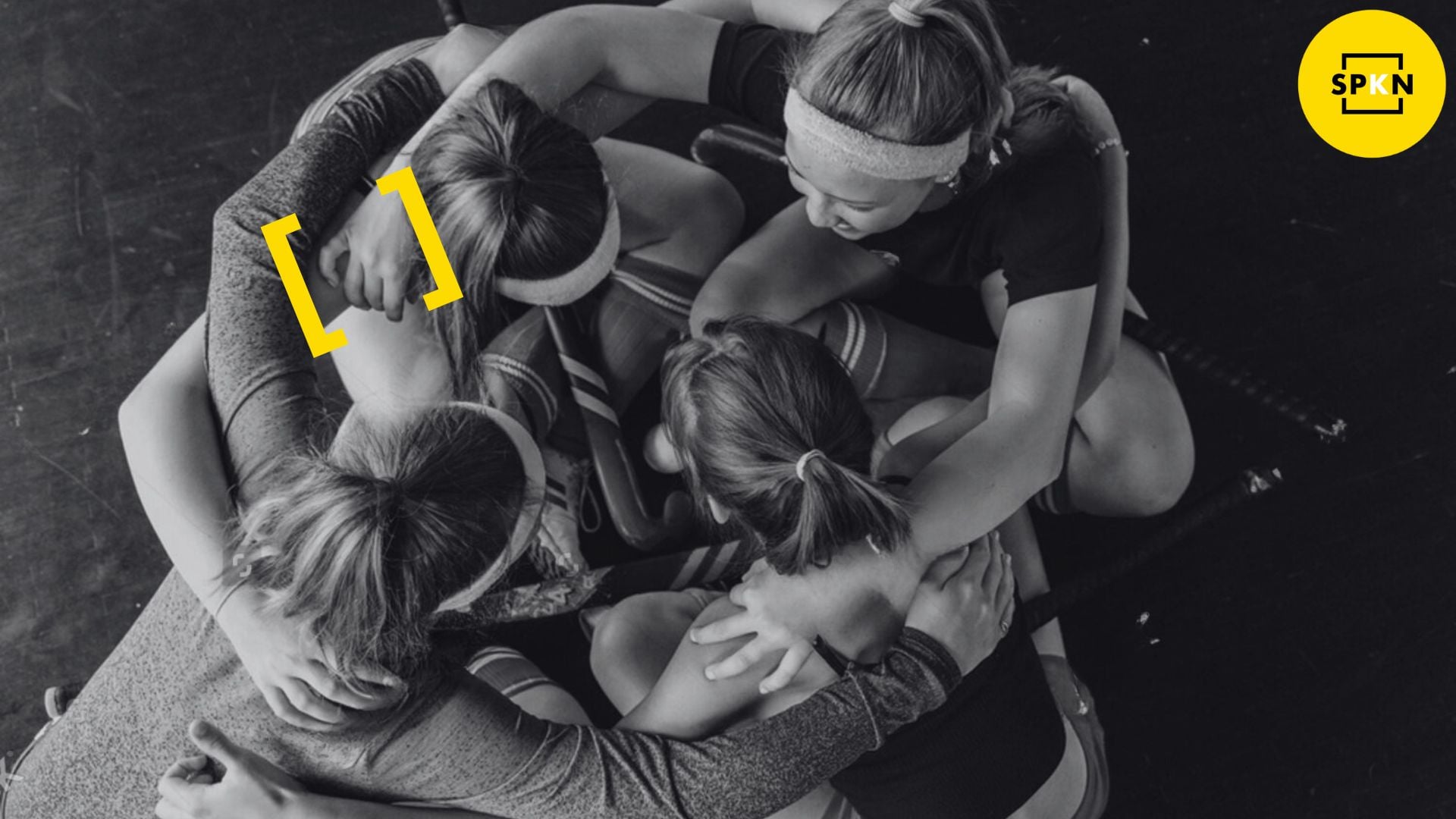
In the world of sports, physical conditioning, tactical strategies, and mental toughness often take center stage. However, one overlooked yet transformative tool for building stronger teams and fostering individual athlete well-being is the practice of gratitude. Research increasingly highlights the power of gratitude in improving mental health, enhancing social bonds, and boosting performance in various domains, including sports. This article explores how sports teams can integrate gratitude practices into their routines to unlock these benefits.
The Benefits of Gratitude in Sports
Gratitude has been shown to positively impact mental health by reducing stress, improving mood, and fostering a sense of purpose. For athletes, this can translate into better focus, resilience, and emotional stability, which are critical under the pressures of competition. Studies suggest that gratitude practices can enhance team cohesion, creating a more supportive and collaborative environment. A cohesive team, bound by mutual appreciation and trust, performs better and navigates challenges more effectively.
According to a study published in Psychology of Sport and Exercise, athletes who engaged in gratitude exercises reported higher levels of team satisfaction and perceived support from their teammates (Chen & Kee, 2008). This indicates that gratitude not only benefits individual athletes but also strengthens the social fabric of the team.
Integrating Gratitude into Daily Training Routines
Gratitude practices can be seamlessly woven into the daily training routine. Coaches can begin each session by acknowledging team milestones or individual improvements, fostering an atmosphere of appreciation. Similarly, ending practice with a brief gratitude exercise can leave athletes with a positive mindset, helping them carry that energy into their daily lives.
Incorporating gratitude into pre-existing rituals, such as team huddles or post-game meetings, makes it a natural part of the team culture. Coaches and team leaders can model gratitude by regularly expressing appreciation for the team’s effort and dedication, setting the tone for others to follow.
Encouraging Athletes to Recognize Progress and Teamwork
Gratitude practices encourage athletes to appreciate not only their successes but also their journey and the people who support them. Recognizing progress, no matter how small, reinforces the value of effort and persistence. For instance, a player recovering from an injury might express gratitude for their gradual return to the game and the support they received from teammates and medical staff.
Teams can also use gratitude to celebrate collective achievements, such as overcoming a tough opponent or supporting each other through a challenging season. By focusing on the positives, teams can build a resilient mindset, essential for navigating the highs and lows of sports.
Incorporating gratitude practices into sports can transform individual mindsets and team dynamics. By fostering an environment of appreciation and mutual respect, athletes can enhance their well-being, strengthen social bonds, and ultimately improve their performance. Coaches and team leaders have a unique opportunity to cultivate gratitude as a core value, helping athletes thrive both on and off the field.
Chen, L. H., & Kee, Y. H. (2008). Gratitude and Adolescent Athletes’ Well-Being. Psychology of Sport and Exercise, 9(3), 361-370.
Emmons, R. A., & McCullough, M. E. (2003). Counting Blessings Versus Burdens: An Experimental Investigation of Gratitude and Subjective Well-being in Daily Life. Journal of Personality and Social Psychology, 84(2), 377–389.
Sansone, R. A., & Sansone, L. A. (2010). Gratitude and Well Being: The Benefits of Appreciation. Psychiatry (Edgmont), 7(11), 18–22